

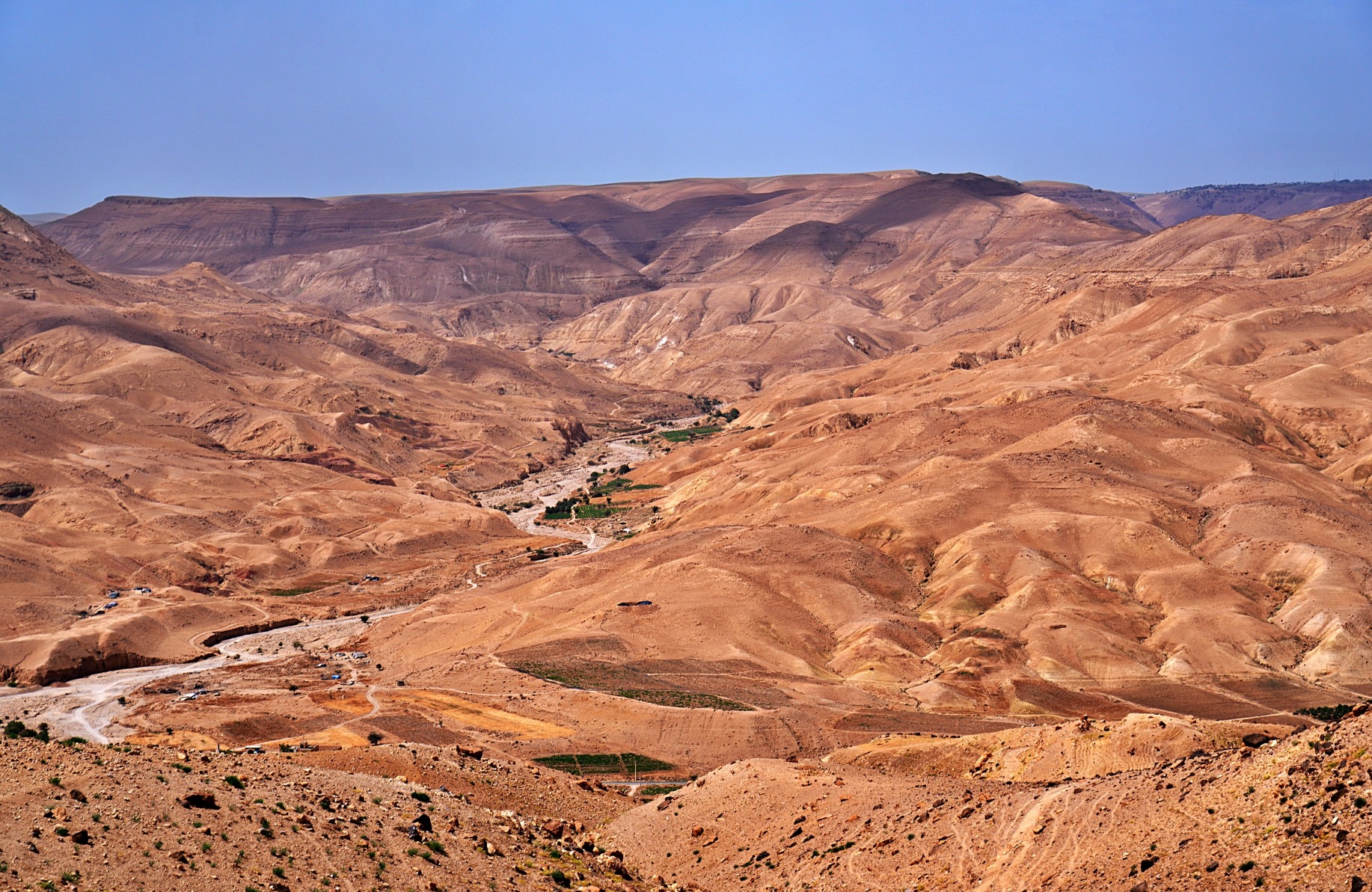
Hidden deep inside this desolate valley are some of ancient Egypt’s most magnificent treasures. Cut into the cliff walls are elaborate tombs, decorated with messages meant to guide the pharaohs to the afterlife. From one jaw-dropping moment to the next, expect to be awe-struck when you see the ancient tombs in the Valley of the Kings.


A little background on Egypt’s tombs
More than one thousand years before Thebes (Luxor) was in its Golden Age, pharaohs in Giza began building giant pyramids to make the transition to the afterlife. Their size, though, was their downfall. Within a few hundred years, tomb raiders broke in to steal the contents, and that is why things were done differently in the New Kingdom. Instead of grandiose pyramids, they kept the location of their pharaohs’ graves a secret, hidden in inconspicuous tombs dug deep into the cliff walls. Despite the secret locations, tomb raiding became prevalent by the end of the New Dynasty.
It is not by accident that the location selected for the Valley of the Kings is on the west side of the Nile. Ancient Egyptians believed that the soul follows the sun and, after setting in the west, it is reborn in the afterlife in the east. Used from 1550 to 1069 BCE, this valley is home to at least 63 tombs.
Hieroglyphics and Reliefs
Many details make these tombs really remarkable. Not only were they hand-cut into the rock, but they were also highly decorated with raised and engraved hieroglyphics and reliefs. Hieroglyphics are Egyptian text. When found in tombs, it is called funerary text and was used to guide the deceased into the afterlife. Beliefs varied over time, but in the New Kingdom, priests thought that the deceased had to overcome various obstacles on their way to the afterlife. This included demons, snakes or knife-wielding gatekeepers. The text, therefore, reveals spells and methods used to overcome each obstacle and successfully reach the afterlife.
The text and images in these tombs gave archaeologists valuable information about the pharaohs’ lives. Not only were there cartouches with the pharaoh’s name, but hieroglyphics and reliefs also told stories about the pharaoh’s family history and their accomplishments as pharaoh.

In addition to the text, New Kingdom tomb walls were covered with images of gods, pharaohs and pictorial instructions on how to reach the afterlife. Many are from stories found in Underworld Books, such as the Book of the Dead, the Amduat, the Book of Day and the Book of Night.
As you can imagine, it was a long process to decorate these tombs. The tomb walls were first covered in muna, a plaster made from clay, limestone, and crushed straw, making them smooth. Artists then sketched the designs before carving, either as a raised relief or an etched border. Finally, paint was applied.

In the New Kingdom, the Book of the Dead was one of the most important sources of instructions on reaching the afterlife. Papyrus copies were placed in the pharaohs’ tombs or tucked into their sarcophagus and coffin. This book described many trials the deceased would face, including the Weighing of the Heart Against the Feather of Maat. This final test determined whether their heart was filled with justice and truth or was heavy with guilt and ingratitude. We found it interesting that modern religions likely took this idea of a moral compass and the final reckoning from the Egyptians.

There are a few illustrations from this book on the tomb walls, but the full story was printed on papyrus. You can see a few pages of the Book of the Dead in the Ancient Manuscripts Museum in Alexandria Library.


Valley of the Kings
Your entry ticket to the Valley of the Kings includes entrance into three of 8-10 tombs. In addition, three others have an extra fee to visit. Choosing which ones to see is difficult, but we narrowed it down to what we think are the best ones. We’ll show you three from general ticket, as well as two of the extra ticket tombs. The general admission tombs are open on a rotating schedule, so you may not get to see your top choices.
In the image below, all are on the general ticket except KV9, KV17, KV62, and KV23 (Located in the next valley).

Included in General Entry ticket:
The three we chose as part of the general entry ticket were: Ramesses IV, Ramesses IX and Tausert-Setnakht. We had Ramses III as a backup choice. Note: the museum titles the tombs as KV#, so we’ve included that as well.
Tomb of Ramses IV (KV2)
Expect to be blown away by your first view of the 12th century BCE Tomb of Ramses IV. Your sense of amazement begins at the long hallway, decorated with hieroglyphics and painted reliefs. In some, we could pick out the deities or scenes, but in others we just admired the amount of detail found in each one.


After making it to the end of the magnificent hallway, you’ll reach the burial chamber, up to 80 m deep inside the cliff wall. A granite sarcophagus sits in the centre of the highly decorated room. Apparently, when archaeologists opened the tomb, the coffin was smashed to pieces, and Ramses IV’s mummy was found in a cache, further up the Valley of the Kings.
When tombs were raided, the valuables were taken, but the mummies were discarded in other parts of the valleys. When found, the mummies were cached in common areas. One was the Royal Cachette at Deir el-Bahari necropolis; another was in Amenhotep II’s tomb.


The burial chamber ceiling has a beautiful painting of Nut, Goddess of the Sky. In Egyptian mythology, she swallowed the sun each night and gave birth to it each morning. You can see her swallowing the sun in the picture below. Nut was a popular deity in Thebes, and we saw many more depictions of her as we explored the tombs and temples in Luxor.

Other common images in these tombs are boats. Ancient Egyptians believed pharaohs required a boat (barque) to travel on the waterways of the underworld to find the god Osiris. The sun god Amun Ra made this journey daily, so he is often pictured on the boat along with the pharaoh and other gods.
The amount of work that went into these tombs is remarkable, especially when you remember that they were not meant to be seen by anyone but the deceased pharaoh.

Note – There were several pharaohs named Ramses, and it is also spelled Ramesses.
Tomb of Ramses IX (KV6)
This tomb also begins with a long, decorated hallway. It has wonderful depictions of religious motifs such as the pharaoh making offerings to the various gods.
What really makes these tombs special is that the artwork we see is original. During restoration, flaked plaster is repaired, and the artwork is carefully cleaned, but the carvings and paintings are not altered. The vibrant colours we see are the result of paint made thousands of years ago from natural minerals and organic material. Realizing this gave us an even bigger appreciation of what we were seeing.


Many of the tombs have been open for years and were used by Romans, Coptic monks and many others for a variety of purposes. Grafitti can be found in many, but also an early form of censorship. In the picture below you can see the damage done to the ithyphallic Osiris.

In addition to the deities, boats and pharaohs, this one has a long, dark-blue, astronomical ceiling depicting the constellations and star tables.


At the end of the hallway, a staircase leads to the burial chamber. It is closed to visitors, but guards may offer to take your phone or camera to the burial chamber to take a picture for you. Of course, nothing in Egypt is free. If you let them take your camera, they expect a tip, even though they are museum staff.
Tomb of Tausert-Setnakht (KV14)
The hallway in this tomb descends on a ramp and stairs, taking you lower into the cliff. There are several niches on the way, including a large one with pillars. These niches were meant to confuse grave robbers, but it was pretty obvious to us that they didn’t go anywhere.


At the end of the ramp, you’ll reach the large burial chamber with very well-kept reliefs on the outer walls. Many were stories from the Underworld Books.


The tomb has two names because it had two occupants. Tausert was the wife of a pharaoah, and when he died, she became regent. Researchers are unsure if she was considered a pharaoh, but she was allowed to be buried in this valley, so she likely was.
The second name on the title, Setnakht, belongs to a different pharaoh, who took over the tomb. In doing so, he covered up the paintings and cartouches of Tausert and replaced them with his own. Due to his short reign, his newly built burial chamber at the back of the tomb was undecorated.

Tombs Requiring an Additional Ticket:
Since these tombs have an extra fee, they are much less busy.
Tomb of Ramses V/VI (KV9)
The tomb is named for two pharaohs, because it was used by both. Originally built for Ramses V, his successor and uncle, Ramses VI, turned it into his own tomb.

When we first entered, we were a little disappointed because it is actually more worn than the other tombs. As we walked further, the condition improved significantly, but we realized that the walls in this tomb looked a little different from the others we saw. Not only are they covered in images, but also in the full funerary text from the Underworld Books. Ramses VI believed that having the books printed on the walls would ensure he could reach the afterlife.


The burial chamber, though, is the reason this tomb is worth the extra fee. The large space is highly decorated, but it is the ceiling that steals the show. It has magnificent, long mural of the Goddess Nut and scenes from the Book of the Day and Book of the Night.

Here’s a short Giphy of the ceiling.

The tomb was ransacked within 20 years of Ramses VI’s burial. His stone sarcophagi were smashed, and the mummy was badly damaged, having suffered from violent acts. Remnants of both the damaged outer and inner sarcophagi of Ramses VI are on display in the chamber.


Tomb of Seti I (KV17)
This is the most expensive tomb to enter, but it was worth every penny. It is the largest, deepest and most decorated of all the tombs. As with the Ramses V/VI tomb, the first sections are in poor condition, but as you descend the steep ramps and stairs, it gets better and better.
The 130 m long hallway takes you through a series of chambers. One of the most impressive has pillars decorated with portraits of the pharaoh with different deities. Above them is a low, blue roof dotted with yellow stars. Unlike most other ceilings, the one in this room wasn’t levelled and still shows the contours of the mountain wall, reminding you that you are in a cave.


The burial chamber is at the bottom of a small, modern staircase. Until we reached this room, we didn’t understand the high entry fee, but the burial chamber really pushed it to the top of the list of best tombs. What stood out the most was the exceptional craftsmanship of the raised reliefs. They weren’t just painted; they were expertly detailed with fine carvings. There is so much to see in this room, so expect to spend quite a bit of time here.


Above where the sarcophagus would have been is a dark ceiling with scenes from the Book of Night and Book of Day, including the Egyptian constellations and eternal celestial guardians.

KV 46 Tomb
Although this tomb is not open to visitors, artifacts from it were on display at the museum in Cairo, so we thought it would be interesting to show you what would have been inside these tombs. KV 46 was the tomb for Yuya and his wife Thuya. He was a nobleman under Pharaoh Amenhotep III, and they were the grandparents of Tutankhamen. Because of this status, they were given royal burials. This included tombs in the Valley of the Kings, golden masks and decorated sarcophagi, similar to those used by pharaohs.
Masks were not just decoration, they were a substitute face for the deceased. The idea was that their soul may need to recognize their body in the afterlife.


We’ve also included pictures of coffins that would have contained the mummies of pharaohs and nobles. These are also on display at the Egyptian Museum in Cairo.


How to get to Valley of the Kings
The complex is located on the west side of the Nile, 8 km or so from the West Bank Ferry terminal. You will need to reach it by car/taxi. Many private drivers and taxis hang out near the ferry, so finding one won’t be a problem, but be prepared to haggle. Don’t pay more than 100-150 EGP. We found it easier to negotiate with actual taxis than the private drivers with personal cars.
Tips for Visiting the Valley of the Kings
- Guide – It is very easy to visit the Valley of the Kings on your own without a guide, but you should read about the meaning of some of the hieroglyphics and reliefs before going so you have some knowledge. The site is large, but it fairly easy to navigate because there are several maps and each tomb is well signed. We noticed that guided tours seemed to rush in and out of each tomb, without having time to appreciate the experience.
- Entry Fee – Tickets are 700 EGP ($13.80 USD) and allow you to visit 3 tombs. Payment only accepted by credit/debit card, cash is not accepted. Keep your ticket because they will be punched by a custodian at the entrance to each tomb. When we were about to get our third punch, the custodian asked if we wanted him to not punch ours so we could visit four tombs. We knew we had paid for an additional two, so declined his offer. We don’t know how much he expected, but likely 200-300 EGP.
- Entry fees to the extra tombs: KV 9 – 220 EGP, KV17 – 2,000 EGP, KV62 – 700 EGP, KV 23 – 200 EGP (Located in the next valley). Also, a newly opened tomb for Thutmose II can be accessed with special permission on a guided tour. The cost in 2026 is $850 USD. It is located 2.4 km away from the Valley of the Kings.
- Time Needed – If you only visit the three included tombs, expect to spend 2 hours. If you also visit the extra ticket tombs, plan to on 3-4 hours.
- What to Bring – The tombs are typically hotter and stuffier than outside, so dress in light fabrics and bring water. As well, the valley is very exposed so bring a hat and sunscreen for when you walk between the tombs.
- Parking – There is a 50 EGP fee to enter the parking lot. You will be charged the fee even if your taxi doesn’t stay. Instead, have them drop you off before the parking lot entrance.
- Shuttle – A 300 m road travels from the Visitor Centre to the tombs. You can walk or take the shuttle for 25 EGP.
Most of the ancient sites in Luxor have received UNESCO World Heritage Site status, including Karnak and Luxor Temples; the necropolises of the Valley of the Kings, Valley of the Queens, Tombs of the Nobles, Deir el-Medina; and the mortuary temples of Hatshepset, Ramesseum, and Medinet Habu.
For information on where to stay and eat in Luxor, please visit our post Ancient Wonders – Karnak Temple and Mummification Museum.

Click on the link to read our Travel Tips For Egypt.
To read more of our adventures in Egypt, click here.
Coming Next – Mortuary Temples – Ramesseum, Medinet Habu and Hatshepsut
For pictures from other blogs go to Gallery at monkeystale.ca.
To read about more of our adventures go to Destinations.
If you like what you read, please comment or share (with credit) using the links below.




We’d love to hear from you, please leave a comment.